“OS and App Store for Drones”: What Ukrainian Deftech Startup OSIRIS AI Is Building and Why

OSIRIS AI, a Ukrainian developer of the operating system for drones, secured investment in early November. The company operates at the intersection of robotics, artificial intelligence, and defense systems, creating technologies that allow autonomous systems to function in complex conditions without direct human intervention. OSIRIS AI is currently forming partnerships with manufacturers and preparing its product for large-scale commercial deployment. To support this growth, the startup is also expanding its team.
We spoke with OSIRIS AI CEO Roman Onishchenko to learn more about the company and its ambitions.
When was OSIRIS AI founded? What problem or idea was at the core?
The company was founded by a group of engineers specializing in autonomous systems. The core idea is to address the lack of secure software and hardware platforms for unmanned aerial vehicles (UAVs).
Our goal is to develop a modular operating system and application ecosystem that enables us to quickly integrate various UAV platforms, ensure secure communication, and scale them as a unified system.
What product did you start with? What are you offering now, and what stage of development is your product at?
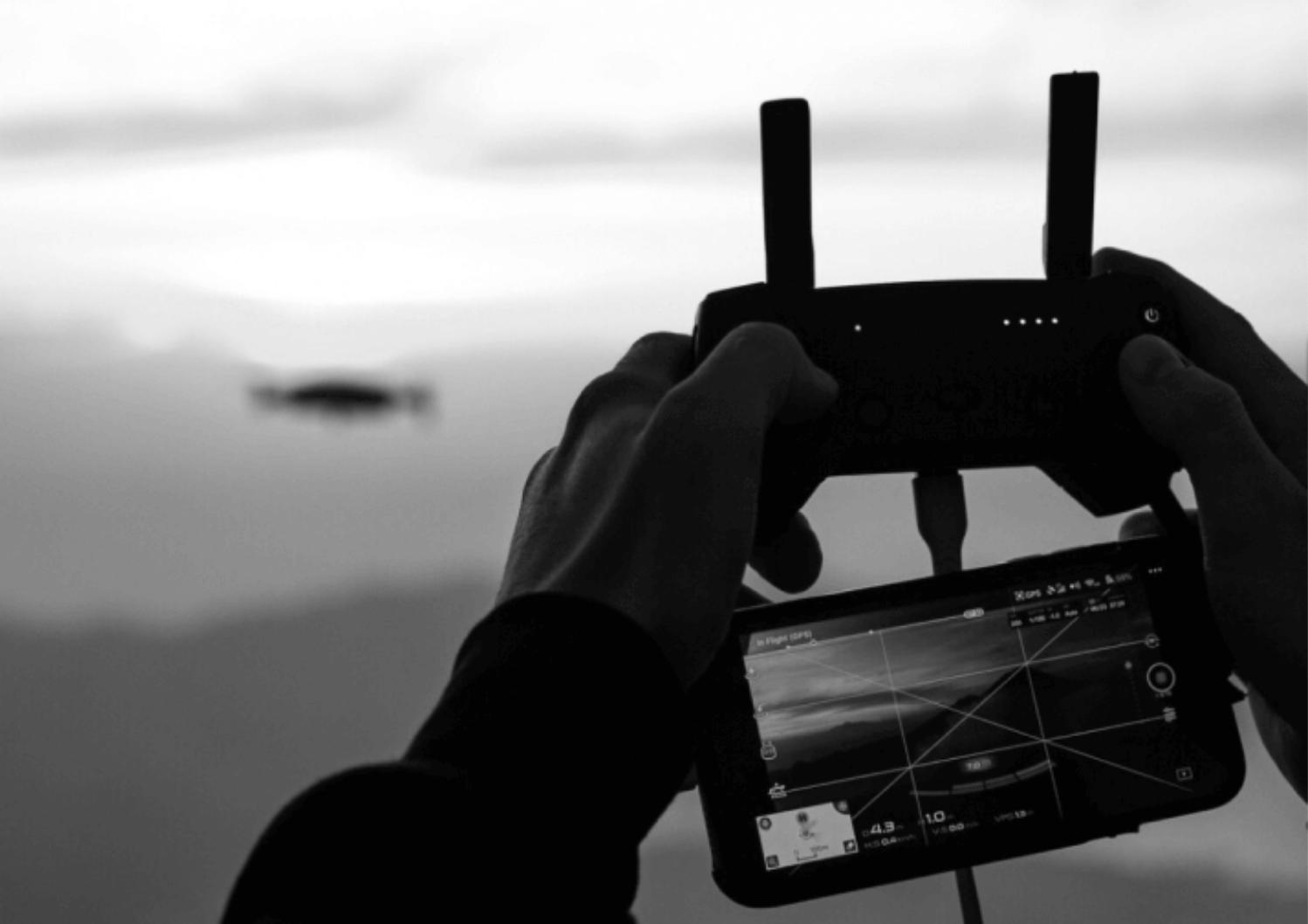
We started with OSIRIS DroneOS, a modular operating system that supports various hardware configurations, features a container architecture, and includes an application marketplace.
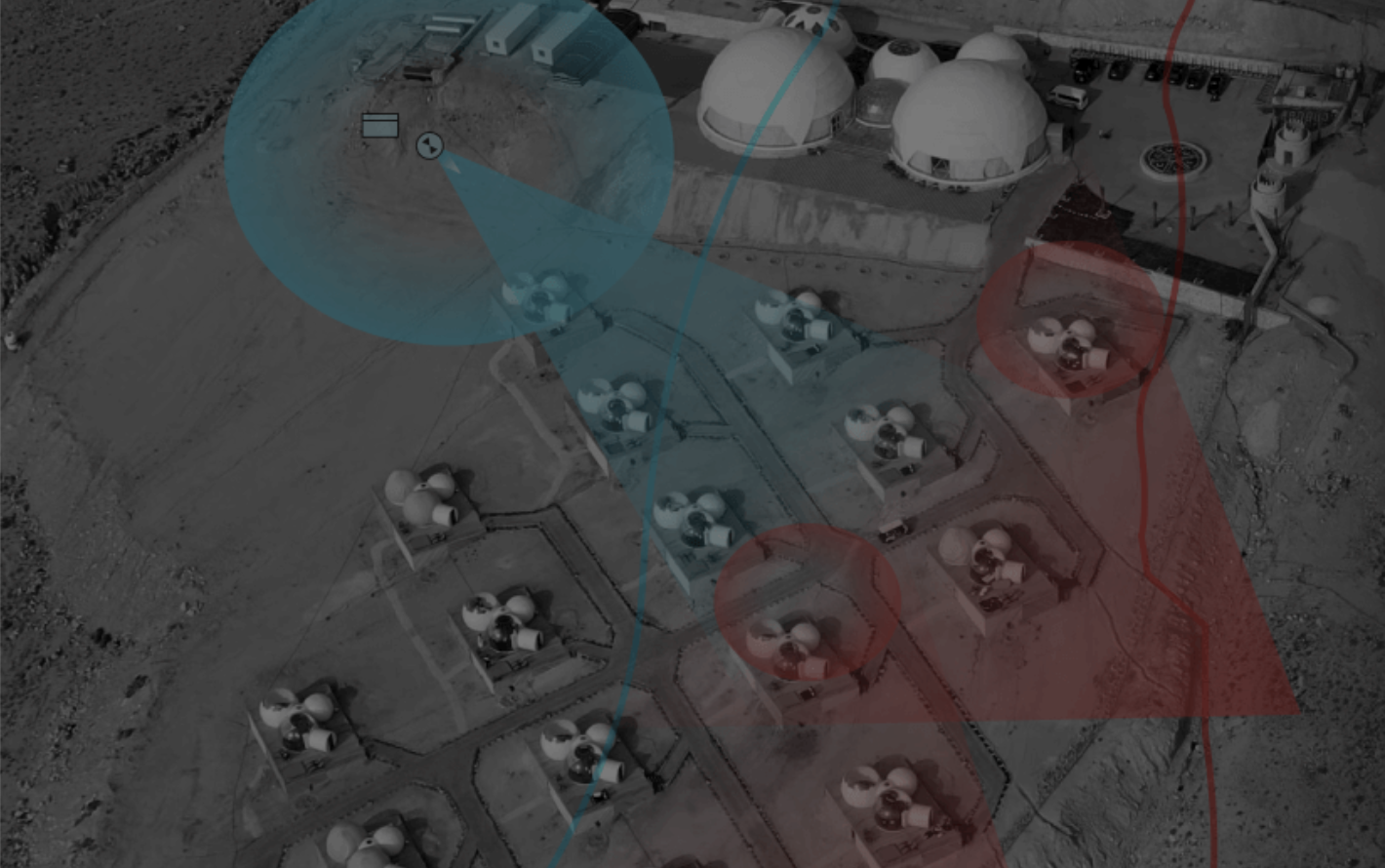
The startup also developed a risk assessment and countermeasure strategy simulator called Drone Defense Simulator.
Currently, the operating system is being integrated with manufacturers and prepped for large-scale commercial use.
How much was invested in the first prototype? Were there any other investments besides the one announced on November 3? Are you disclosing investors and the company’s valuation?
OSIRIS AI has attracted a private investor from the United States. The investment amount, company valuation, and founders’ names are not being publicly disclosed at this stage.
How do you plan to use the funds raised? What are your next steps?
The funds will be allocated toward developing core autonomy features, such as navigation and onboard decision-making, implementing secure communications, creating drone fleet management services, porting the system to new computing platforms, and testing, certifying, and launching pilot projects with a UAV manufacturer.
Next on the roadmap: scaling the team, expanding partnerships, and entering new markets.
How many people are currently on the team? Are there open positions?
Several dozen people work at OSIRIS AI.
We’re constantly hiring, and new openings appear regularly. Interested candidates can send their CV to [email protected].
Are you actively selling? Who are your main customers, and what do your services cost?
At this stage, we’re working on pilot projects with UAV manufacturers and customers in the field of infrastructure security.
Commercial pricing and case studies will be available after the official product release.
The monetization model includes the sale of OSIRIS DroneOS licenses, integration and support services, and revenue through the OSIRIS App Store.
What’s the biggest challenge at this stage of development?
The main challenge is scaling the system without compromising reliability and security.
We need to support a wide range of controllers and computing modules, integrate with diverse hardware platforms, and prepare the app marketplace — all of which require significant resources, time, and coordination.
“OS and App Store for Drones”: What Ukrainian Deftech Startup OSIRIS AI Is Building and Why
OSIRIS AI, a Ukrainian developer of the operating system for drones, secured investment in early November. The company operates at the intersection of robotics, artificial intelligence, and defense systems, creating technologies that allow autonomous systems to function in complex conditions without direct human intervention. OSIRIS AI is currently forming partnerships with manufacturers and preparing its product for large-scale commercial deployment. To support this growth, the startup is also expanding its team.
We spoke with OSIRIS AI CEO Roman Onishchenko to learn more about the company and its ambitions.
When was OSIRIS AI founded? What problem or idea was at the core?
The company was founded by a group of engineers specializing in autonomous systems. The core idea is to address the lack of secure software and hardware platforms for unmanned aerial vehicles (UAVs).
Our goal is to develop a modular operating system and application ecosystem that enables us to quickly integrate various UAV platforms, ensure secure communication, and scale them as a unified system.
What product did you start with? What are you offering now, and what stage of development is your product at?
We started with OSIRIS DroneOS, a modular operating system that supports various hardware configurations, features a container architecture, and includes an application marketplace.
The startup also developed a risk assessment and countermeasure strategy simulator called Drone Defense Simulator.
Currently, the operating system is being integrated with manufacturers and prepped for large-scale commercial use.
How much was invested in the first prototype? Were there any other investments besides the one announced on November 3? Are you disclosing investors and the company’s valuation?
OSIRIS AI has attracted a private investor from the United States. The investment amount, company valuation, and founders’ names are not being publicly disclosed at this stage.
How do you plan to use the funds raised? What are your next steps?
The funds will be allocated toward developing core autonomy features, such as navigation and onboard decision-making, implementing secure communications, creating drone fleet management services, porting the system to new computing platforms, and testing, certifying, and launching pilot projects with a UAV manufacturer.
Next on the roadmap: scaling the team, expanding partnerships, and entering new markets.
How many people are currently on the team? Are there open positions?
Several dozen people work at OSIRIS AI.
We’re constantly hiring, and new openings appear regularly. Interested candidates can send their CV to [email protected].
Are you actively selling? Who are your main customers, and what do your services cost?
At this stage, we’re working on pilot projects with UAV manufacturers and customers in the field of infrastructure security.
Commercial pricing and case studies will be available after the official product release.
The monetization model includes the sale of OSIRIS DroneOS licenses, integration and support services, and revenue through the OSIRIS App Store.
What’s the biggest challenge at this stage of development?
The main challenge is scaling the system without compromising reliability and security.
We need to support a wide range of controllers and computing modules, integrate with diverse hardware platforms, and prepare the app marketplace — all of which require significant resources, time, and coordination.